

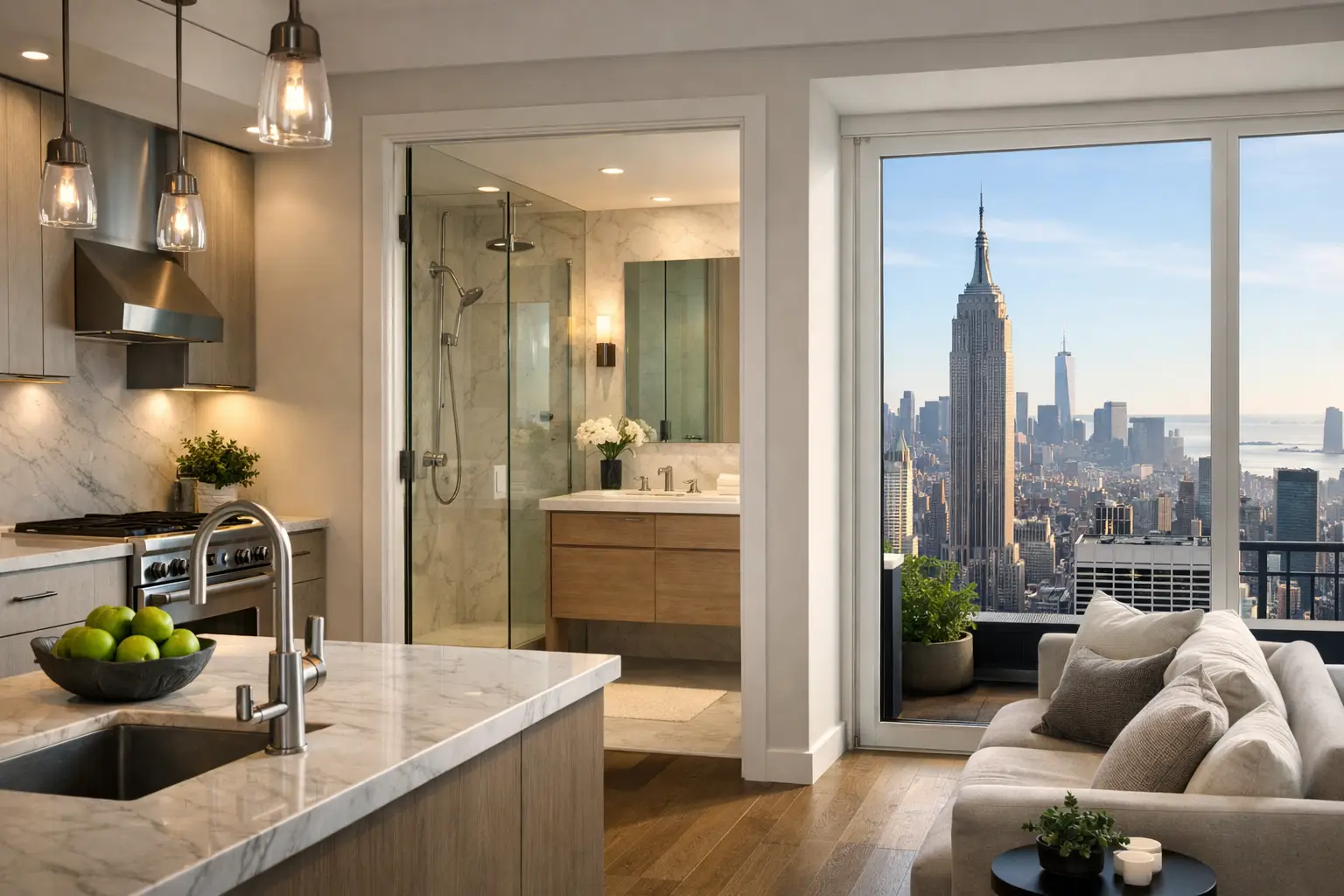
A Manhattan renovation should do more than make your home look finished. It should make the apartment easier to live in now and easier to sell later. The best upgrades for resale value are rarely the flashiest ones. They are the improvements that solve visible problems, support daily routines, and signal to a future buyer that the home has been thoughtfully maintained.
For owners in co-ops, condos, townhouses, and prewar apartments, resale decisions also come with practical constraints. Building rules, board approvals, insurance requirements, landmark considerations, plumbing locations, and construction access can shape both the budget and the scope. A well-managed renovation accounts for those realities before selecting finishes.
Best Upgrades for Resale Value Start With Buyer Priorities
Manhattan buyers pay close attention to kitchens, bathrooms, storage, condition, and the overall feeling of the home. They may forgive a bedroom that needs a new paint color. They are far less likely to overlook a dated bath, inadequate kitchen storage, worn flooring, or a home that feels poorly planned.
That does not mean every project needs to become a full gut renovation. The right investment depends on the property, its neighborhood, its price range, and the condition of comparable homes. In a high-end building on the Upper East Side or Tribeca, an untouched kitchen may stand out for the wrong reason. In another property, a focused refresh may be the more disciplined choice.
The goal is not to spend without limits. It is to bring the home up to the standard buyers expect for its market position, while creating a level of quality that feels cohesive from room to room.
A Kitchen Renovation Has the Strongest Visual Impact
For many buyers, the kitchen is the deciding room. It is where they assess not only style, but also functionality, storage, appliance quality, and the condition of the underlying work. A cramped layout or visibly aging cabinetry can make an otherwise beautiful apartment feel like a project waiting to happen.
Prioritize layout before luxury finishes
A better kitchen plan often creates more value than an expensive decorative selection. Improving clearance around an island, increasing usable counter space, adding a pantry wall, or making room for full-size appliances can change how the entire home functions. In Manhattan, where square footage is precious, every cabinet and circulation path should earn its place.
If the existing footprint works, a full layout change may not be necessary. But when an awkward galley kitchen, blocked entry, or limited storage is a central weakness, addressing it can make the residence more competitive. Major layout changes should be evaluated carefully, particularly where plumbing, gas, ventilation, or building restrictions are involved.
Choose finishes that feel elevated, not overly personal
Buyers respond well to durable cabinetry, refined hardware, quality stone or porcelain surfaces, layered lighting, and integrated organization. Neutral does not have to mean plain. Warm wood tones, softly veined stone, aged brass accents, and tailored millwork can create a premium look without tying the room to a passing trend.
Appliances matter, especially in luxury properties, but the selection should match the home. A respected, integrated appliance package in a thoughtfully designed kitchen generally makes a stronger impression than oversized equipment squeezed into an impractical layout. The details should look intentional, from panel alignment to outlet placement and under-cabinet lighting.
Updated Bathrooms Build Buyer Confidence
Bathrooms are another high-return area because their condition is immediately visible and their renovation is widely understood to be disruptive. A buyer walking into a clean, current, well-built bathroom sees less future work, less uncertainty, and fewer reasons to negotiate downward.
A strong bathroom renovation starts with the fundamentals: waterproofing, ventilation, plumbing quality, proper slopes, and durable materials. These are not always visible in listing photos, but they protect the investment and support a finished result that holds up over time.
For resale, focus on a calm, hotel-level experience rather than an overly themed design. Large-format porcelain or natural stone, a well-proportioned vanity, good mirror lighting, recessed storage, and a glass shower enclosure can make a compact Manhattan bath feel substantially more polished. In primary bathrooms, a double vanity or a more generous shower can be worthwhile when space and building conditions allow.
Do not overlook powder rooms. A small powder room is an opportunity to deliver a memorable, refined detail without the cost of a larger wet-room renovation. It should still relate to the design language of the rest of the home.
Storage and Built-Ins Make Small Spaces Work Harder
Manhattan buyers are exceptionally aware of storage. A home can have beautiful finishes and still feel limited if coats, luggage, linens, cleaning supplies, and everyday items have nowhere to go. Improving storage is one of the most practical ways to increase perceived value.
Custom entry closets, well-organized bedroom wardrobes, linen storage, integrated media cabinetry, and concealed utility areas can make a home feel larger and more composed. Built-ins are most effective when they look architectural rather than added on. They should align with the room, respect proportions, and avoid consuming usable floor space.
In a prewar apartment, tailored millwork can also honor original character while bringing modern functionality. In a newer condo, cleaner, more minimal storage solutions may be the better fit. The right approach depends on the building and the buyer profile.
Improve the Details Buyers Notice Immediately
Not every resale-focused upgrade requires a major demolition plan. Consistent flooring, fresh paint, upgraded lighting, solid interior doors, quality hardware, and professionally finished trim can materially improve the way a home presents. These elements create the sense that the property has been cared for as a whole.
Lighting deserves particular attention. Replace harsh, poorly placed fixtures with a layered plan that includes ambient, task, and accent lighting where appropriate. Dimmable recessed lighting, decorative fixtures over dining areas, illuminated mirrors, and under-cabinet kitchen lighting can make rooms feel larger, warmer, and more expensive.
If existing wood floors are in good condition, refinishing them may deliver more value than replacing them. If replacement is needed, choose a material appropriate to the home and building requirements. Wide-plank engineered wood may suit one condominium, while restored original flooring may be the more compelling choice in a classic prewar residence.
Address Systems and Conditions That Create Doubt
Buyers may not see every mechanical improvement, but they can sense when a home has been neglected. Water damage, aging electrical panels, inadequate air conditioning, poor ventilation, and visible patchwork raise questions about what else may be wrong.
Where practical, invest in the conditions that protect the home: updated electrical capacity, code-compliant work, reliable plumbing, proper bath ventilation, and clean HVAC solutions. Documentation also matters. Permits, approvals, warranties, closeout materials, and clear records can reduce uncertainty for a buyer and their attorney or inspector.
In New York City, compliance is part of value. Unapproved work or renovations that conflict with building rules can complicate a sale at exactly the moment an owner wants a smooth transaction. Professional planning, licensed trades, insurance coverage, and careful coordination are not background details. They are part of a renovation that protects the property.
Avoid Improvements That Outrun the Home
The most expensive choice is not always the most valuable one. An elaborate specialty kitchen, highly customized built-in feature, or unusually bold material can narrow the buyer pool if it does not suit the apartment, building, or neighborhood.
Over-improving is especially easy when homeowners renovate for themselves while assuming every personal preference will translate at resale. A wine room may be perfect for one owner but irrelevant to many buyers. A deeply saturated stone may be beautiful, but it should be used with confidence only when it supports the overall design and market level.
Before finalizing scope, compare the home honestly with nearby listings and recently renovated residences. Consider what buyers expect at the intended price point, then invest where the home currently falls short. This produces a more rational budget than chasing a generic percentage return.
Plan the Renovation Like a Business Decision
A resale-minded renovation needs design judgment and disciplined execution. Start with a clear assessment of the property, a realistic target market, and a defined scope. Then create an itemized budget that distinguishes essential work from optional enhancements.
In Manhattan, logistics should be resolved early. Building alteration agreements, certificates of insurance, work-hour restrictions, elevator reservations, material deliveries, permits, and board communication can affect timing and cost. A beautiful design is only valuable when it can be built correctly and managed without avoidable disruption.
Working with a single renovation partner can provide greater control over those moving parts. Home Design & Co approaches the process through coordinated design, estimating, construction, and project logistics, helping homeowners make informed decisions before work begins rather than reacting to surprises mid-project.
The most valuable renovation is one that feels natural to the home, dependable in its construction, and ready for the next owner to enjoy. Invest in the spaces buyers will use every day, document the work properly, and let quality show in the details that make a Manhattan residence feel genuinely complete.